
Summary
Understanding a dementia progression timeline stages helps families anticipate changes and plan support that evolves with each stage. Every person's journey is unique, but recognizing patterns can reduce uncertainty as needs shift over time.
- Early-stage dementia often lasts two to four years and may include memory lapses, difficulty with complex tasks, and increased social withdrawal—a good time to discuss future preferences before decisions feel urgent
- Middle-stage dementia typically lasts the longest (two to 10 years) and brings noticeable changes like confusion about time and place, increased need for reminders, and mood changes that often prompt families to explore memory care
- Late-stage dementia may last one to three years and involves limited communication, full assistance with daily routines, and greater vulnerability—comfort through familiar voices, gentle touch, and calm surroundings becomes central
- Progression speed depends on dementia type (Alzheimer's, vascular, Lewy body), overall health, and age—some people progress slowly over years while others change more quickly
- Families benefit from visiting memory care communities early to explore options before urgent needs arise, allowing for thoughtful rather than rushed decisions
Watching a loved one change because of dementia can leave families wondering what comes next and how quickly needs may shift. While every person’s experience is different, understanding dementia progression timeline stages can make the path feel less uncertain.
The progression timeline depends on the type of dementia, overall health, age, and daily environment. Rather than focusing only on how fast dementia progresses, it helps to recognize changes early, adjust support as needed, and plan with care for each stage ahead.
Early Stage: Recognizing the First Signs
The early stage can be subtle. Memory lapses may look like normal aging at first, and many older adults still manage much of their daily routine with little help. This stage often unfolds over two to four years, though timing varies.
Common signs families may notice include:
- Forgetting recent conversations or misplacing items more often
- Struggling with complex tasks, such as managing finances or planning ahead
- Asking the same questions or pulling back from familiar social programs
- Taking longer to find the right words in conversation
This can be a helpful time to talk about future preferences. It's also a time to explore what support may look like later, before decisions feel urgent.
Middle Stage: Managing Increasing Support Needs
As dementia progresses into the middle stage, changes often become easier for family members to recognize. This stage usually lasts the longest, often between two and 10 years. Understanding the stages of dementia and what to expect can help families respond with patience instead of surprise.
You may begin to notice:
- More reminders needed for bathing, dressing, grooming, or meals
- Confusion about time, place, or familiar people
- Difficulty following conversations or expressing thoughts
- Restlessness, repetitive movements, mood changes, or frustration
This is often when families begin to consider memory care. A structured setting with trained associates can provide consistent routines, gentle redirection, and support that adjusts with each resident’s abilities.
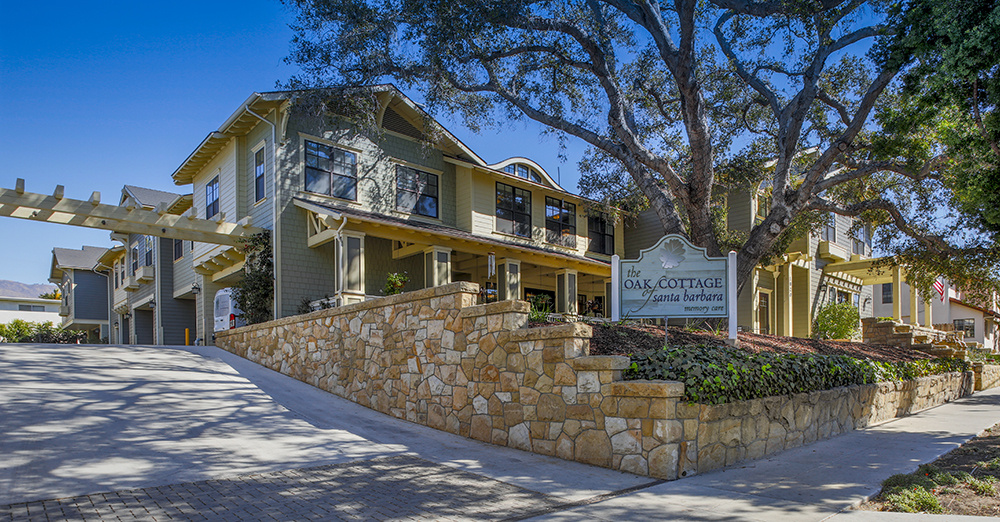
At Oak Cottage, Vibrant Life® programs are meant to help residents stay connected through familiar interests, social moments, and daily structure.
Understanding Dementia Progression in Older Adults
So, how long does each dementia stage last? It depends on many factors. Alzheimer’s disease, vascular dementia, Lewy body dementia, and other types of dementia may follow different patterns.
Typical timelines may include:
- Alzheimer’s disease progressing over several years after diagnosis
- Vascular dementia changes in a stepwise pattern, with periods of stability
- Lewy body dementia bringing changes in cognition, movement, and alertness
- Faster progression when other health concerns or safety risks are present
Dementia progression in older adults is rarely perfectly predictable. Some people remain in one stage for years, while others change more quickly. Instead of focusing only on timelines, families can watch for shifts in communication, mobility, daily routines, and comfort.
Late Stage: Providing Calm, Comprehensive Support
The late stage brings more significant changes. A person may communicate less verbally, need more help with daily routines, or become more physically vulnerable. This stage may last one to three years, though every timeline is different.
Late-stage changes may include:
- Limited verbal communication
- Full assistance with eating, dressing, bathing, and grooming
- Greater difficulty walking or transferring safely
- More time spent resting
- Increased need for comfort, routine, and reassurance
At this point, familiar voices, gentle touch, favorite music, and calm surroundings may still offer comfort. Associates trained in memory care understand how to connect through tone, routine, and sensory cues when words are no longer the main form of communication.
What to Expect as Dementia Worsens
Knowing what to expect as dementia worsens can help families plan without feeling like every decision must be made at once. The right support often changes gradually.
Families may need to think about:
- Whether home routines are still safe and manageable
- How often a loved one needs reminders or hands-on help
- Whether social withdrawal, anxiety, or confusion is increasing
- How much rest and relief family caregivers need
- Whether a structured memory care community could provide more consistency
Planning doesn't mean giving up on the present. It means creating room for better conversations, calmer transitions, and thoughtful choices.
Frequently Asked Questions About Dementia Progression
How Fast Does Dementia Progress?
Dementia progresses at different speeds for each person. Some people change slowly over many years, while others experience faster changes due to diagnosis type, age, health conditions, or other factors.
How Long Does Each Dementia Stage Last?
Early-stage dementia may last a few years, middle-stage dementia may last the longest, and late-stage dementia may last one to three years. These are general timelines, not guarantees.
When Should Families Consider Memory Care?
Families often consider memory care when safety, daily routines, communication, or caregiver stress become harder to manage at home. It can help to visit communities before the need becomes urgent.
Planning Ahead While Living in the Moment
Understanding dementia progression timeline stages can help families make proactive decisions while still honoring today’s moments. Researching memory care early allows time to ask questions, visit communities, and choose a setting that feels right.
At Oak Cottage, Generations Memory Care®, Vibrant Life® programs, and Elevate® Dining help create familiar routines, thoughtful engagement, and daily comfort for residents living with dementia. For families in Santa Barbara, that kind of partnership can bring clarity as needs change.
Explore our Memory Care services and schedule a tour today.