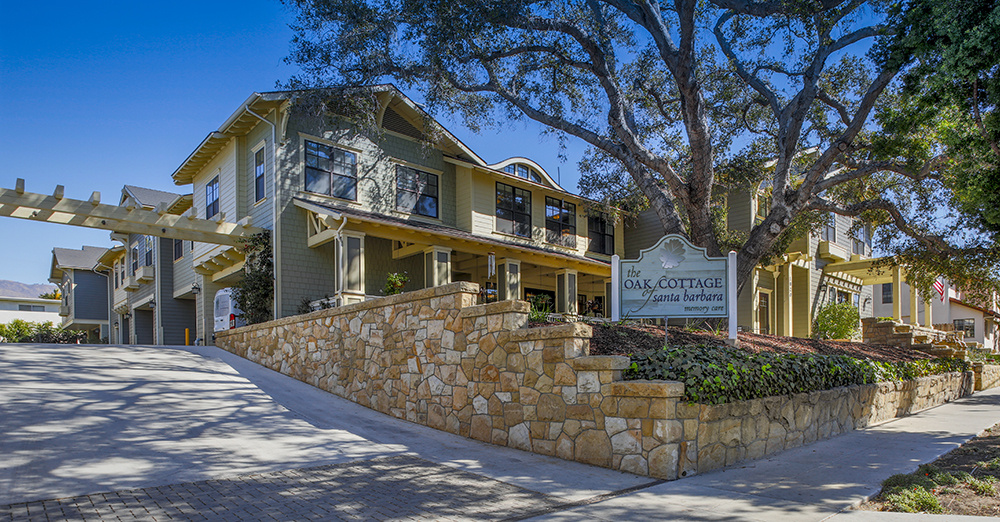

Memory care in Santa Barbara, CA, supports seniors through familiar routines and steady emotional guidance. Consistent structure and safety help residents experience memory support with dignity.
According to data from the USC Schaffer Institute, there are 5.6 million Americans with dementia in the U.S. in 2025. Of this number, 5 million are seniors 65 and older.
Santa Barbara dementia care provides tailored activities that stimulate cognitive comfort and social connection. Observing emotional cues in aging helps staff adjust support to each resident's needs.
Personalized support strengthens residents' confidence and daily well-being. Learn more about ways to strengthen emotional well-being in Santa Barbara, CA, below.
What Defines Dependable Memory Care in Santa Barbara, CA for Families?
Dependable memory care in Santa Barbara, CA, provides consistent support tailored to each resident. Staff are trained to recognize changes in behavior and respond promptly.
Individualized plans address:
- Physical health
- Emotional well-being
- Social needs
- Cognitive stimulation
- Daily routines
- Safety measures
Clear communication keeps families informed and involved. Safe, accessible spaces allow residents to move confidently.
Enrichment programs encourage mental stimulation and engagement. Routine assessments track progress. Ongoing reviews help adjust care as needed.
Respectful interactions maintain dignity and self-esteem. Staff foster positive relationships with both residents and families.
Families can feel reassured knowing loved ones receive attentive support.
How Do Emotional Cues in Aging Guide Supportive Memory Care?
VeryWell Mind reveals that body language accounts for as much as 80% of all communication. For seniors with dementia, interaction is often nonverbal as the disease progresses.
Emotional cues in aging help caregivers understand residents' needs. Facial expressions often indicate comfort or distress. Body language can signal frustration or engagement.
Staff observe these cues to adjust daily routines. Recognizing moods reduces anxiety for residents.
Using small gestures guides meaningful interactions. Positive responses build trust between seniors and caregivers. Care plans can be tailored using these signals.
Adjusting activities as needed increases engagement and satisfaction. Observing emotions ensures routines feel safe and predictable.
Consistent emotional awareness supports cognitive health.
Why Do Structure and Safety Help Residents Feel Steady Each Day?
A clear structure gives residents predictability and balance. Predictable routines reduce stress and confusion.
Safety measures create a secure environment. Minimizing hazards prevents slips and falls.
Knowing what to expect builds confidence each day. Organized schedules support memory and independence.
Staff guidance ensures residents can complete tasks safely. Feeling secure encourages participation in activities. Repetition strengthens learning and comfort.
Calm surroundings lower agitation and frustration. Stability reinforces emotional resilience.
Using structured transitions helps residents adjust more easily to new tasks. Residents feel greater control over their day-to-day lives.
Reliable structure and safety support a steady, comfortable daily life.
How Does a Calm Setting Increase Cognitive Comfort for Seniors?
A calm setting reduces sensory overload for seniors. Minimal noise allows residents to focus. Staff can communicate more effectively in a serene environment.
Soft lighting eases visual strain and promotes relaxation. Gentle colors reduce agitation and support attention.
Comfortable furniture encourages rest and proper posture. Natural elements, like plants, create a soothing atmosphere. It allows residents to feel safer and more at home.
Predictable layouts help residents navigate safely and independently. Quiet spaces provide moments for reflection and mental clarity.
Reduced stress enhances memory retention and decision-making. Calm surroundings support emotional regulation.
A peaceful setting fosters cognitive comfort and well-being each day.
What Does Memory Support With Dignity Look Like in Daily Routines?
Memory support with dignity focuses on each person's individuality. Staff encourage expression through conversation or creative outlets like:
- Painting
- Listening to music
- Storytelling
- Crafts
- Dance
Care is paced to match energy and comfort levels. Personal history shapes interactions and deepens connections.
Gentle guidance helps seniors make decisions confidently. Receiving respectful support strengthens independence without pressure.
Recognizing daily achievements builds pride. Celebrating successes, no matter how small, helps residents feel more valued.
Interactions highlight abilities and strengths instead of limitations. Each day in memory care in Santa Barbara, CA, reinforces empowerment and purpose.
How Does Santa Barbara Dementia Care Help Families Navigate Changing Needs?
The Alzheimer's Association reports that 7 million people in the U.S. are living with Alzheimer's disease. By 2050, this number is estimated to rise to nearly 13 million.
Santa Barbara dementia care helps families understand changing needs. Open communication ensures questions are answered promptly.
Staff explain shifts in behavior and suggest practical solutions. They provide guidance for daily routines.
Support groups connect them with others in similar situations. Families can receive education on memory loss and coping strategies.
Resources assist with planning for future care. Proactive services help families feel supported and confident as needs evolve.
Frequently Asked Questions
How Can Memory Tools Support Daily Life in Dementia Care?
Memory tools help seniors recall important information and stay organized. Calendars and labeled reminders guide daily activities.
Digital devices can prompt medication or appointments. Simple visual aids reduce frustration and promote independence.
Apps and memory games stimulate cognitive function. Using these tools encourages confidence and participation throughout the day.
How Can Life Skills Programs Foster Independence in Memory Care?
Life skills programs let residents practice tasks such as preparing snacks or organizing personal items. Learning step by step helps them feel capable.
Repeating activities strengthens memory and builds confidence. Small accomplishments create a sense of purpose.
Hands-on tasks encourage involvement. Gaining autonomy allows seniors to feel valued each day.
How Does Nutrition Support Cognitive Health in Memory Care?
Balanced meals provide nutrients that support brain function. Hydration helps maintain focus and energy.
Eating antioxidant-rich foods may slow cognitive decline. Omega-3 sources, like fish or seeds, promote memory retention.
Accommodating preferences makes meals enjoyable. Meeting dietary needs provides nutrition for cognitive support.
Good nutrition fosters mental clarity and supports daily vitality.
Experience Memory Support With Dignity at The Oak Cottage of Santa Barbara, CA, Today
Memory care in Santa Barbara, CA, provides predictable routines that promote greater stability. Calm environments help create structure and safety.
Encouraging meaningful activities and observing individual needs reinforces memory support with dignity.
The Oak Cottage of Santa Barbara, located in serene Santa Barbara, CA, offers dedicated Memory Care services. Our Vibrant Life® program encourages engagement through personalized activities and supportive routines. We believe in letting seniors live life on their own terms.
Ready to get started? Contact The Oak Cottage of Santa Barbara to schedule a community tour with us or to request more information today.