Summary
Music therapy for dementia benefits people living with memory loss by creating meaningful connections when verbal communication becomes challenging. Learn how personalized music experiences support emotional well-being, cognitive engagement, and family connections throughout the dementia journey.
- Music engages multiple brain areas simultaneously, helping residents access memories and emotions even when conversation becomes difficult
- Personalized music choices—based on a person's cultural background, formative years, and preferences—create more meaningful experiences than one-size-fits-all approaches
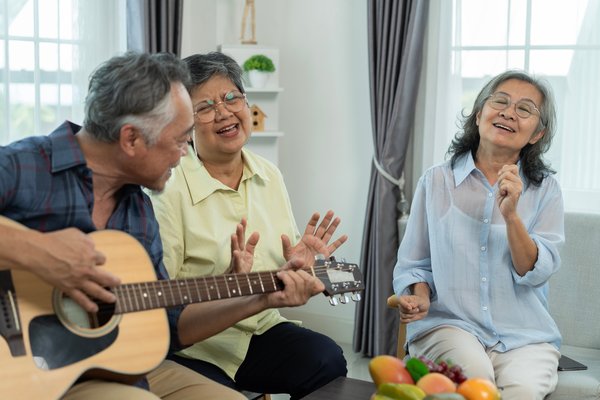
- Music activities can include singing, playing accessible instruments, moving to rhythm, listening to playlists, or discussing memories connected to meaningful songs
- Group music experiences provide cognitive, social, and physical benefits, encouraging attention, interaction with others, and gentle movement
- Families can enhance connections during visits by sharing favorite performers, genres, and songs tied to important life moments and traditions
When words become harder to find, a familiar melody may still spark recognition, movement, or connection. For people living with Alzheimer’s disease or another form of dementia, music can create meaningful moments without relying on conversation.
Music therapy for dementia benefits residents and families by offering another way to communicate, express emotions, and enjoy time together. Within memory care, music may be incorporated into personalized programs that reflect each resident’s history, preferences, and abilities.
The Connection Between Music and Memory
Music engages several areas of the brain at once, including those associated with emotion, movement, attention, and memory. This helps explain how music affects the Alzheimer’s brain and why a familiar song can sometimes prompt a resident to sing along, tap a foot, or recall a meaningful moment.
Musical memories may remain accessible even when other memories become difficult to retrieve. Songs from a person’s teens, twenties, family traditions, faith community, or cultural background can be especially meaningful.
Music isn't a cure for dementia and cannot be expected to stop or reverse its progression. However, when families ask, “Does music help dementia progression?” it's helpful to understand that music may support engagement, comfort, and remaining abilities throughout the dementia journey.
Music Therapy for Dementia Benefits Emotional Well-Being
Music provides an outlet for expression when verbal communication is challenging. A peaceful melody may help create a calmer environment, while an upbeat song may encourage movement, smiles, and participation.
The potential benefits of music for memory loss include:
- Supporting emotional expression and relaxation
- Encouraging movement, rhythm, and sensory engagement
- Creating opportunities to connect with family members and other residents
- Reinforcing familiar routines and personal memories
- Promoting moments of enjoyment and belonging
Responses can vary from one person to another. A song that comforts one resident may not appeal to someone else. Personalized music choices are, therefore, an important part of creating positive experiences.
What Music Therapy Memory Care Programs May Include
Music therapy memory care programs are most meaningful when they consider the individual rather than taking a one-size-fits-all approach. Sessions and informal music experiences may be shaped by a resident’s musical background, current preferences, energy level, and ability to participate.
Music activities for dementia residents may include:
- Singing familiar songs individually or as a group
- Playing accessible percussion instruments
- Clapping, swaying, or moving to a rhythm
- Listening to personalized playlists
- Discussing memories connected to meaningful music
- Combining music with art, storytelling, or gentle exercise
These experiences don't need to be complicated. Even humming a familiar tune or keeping time with a simple instrument can invite participation.
Music and the Generations Memory Care® Approach
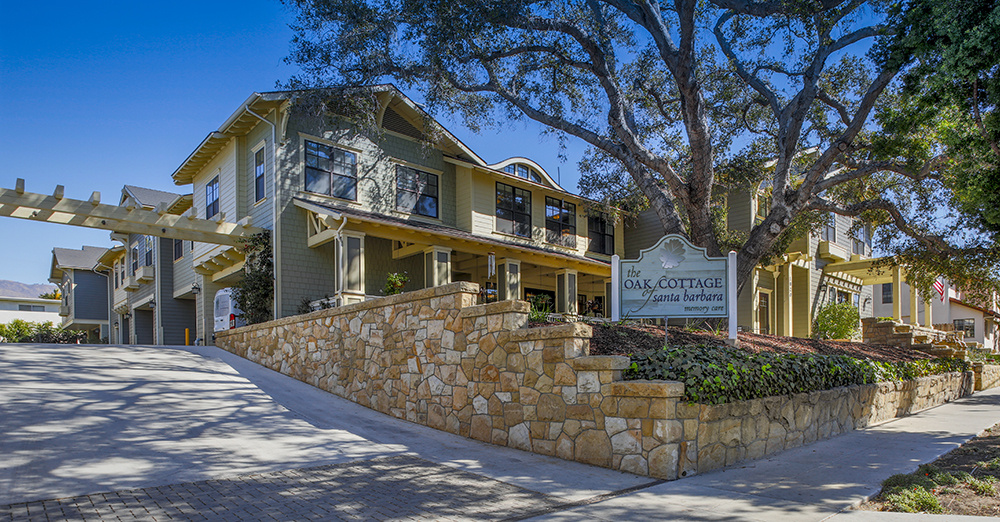
At The Oak Cottage of Santa Barbara, we offer Generations Memory Care® in Santa Barbara, California. Its person-centric approach recognizes each resident as a whole person, not someone defined by a diagnosis.
Residents live within three intimate neighborhoods designed to provide familiarity, comfort, and meaningful engagement. Through personalized routines and our Vibrant Life® program, associates create opportunities based on residents’ interests, histories, preferences, and abilities.
Music can fit naturally within this approach. A favorite song may complement a familiar morning routine, encourage participation in a group program, or help associates create a comfortable setting during the day. Personalized musical experiences can also give families another way to remain connected with a loved one.
Cognitive, Social, and Physical Engagement
Music offers several forms of gentle stimulation at the same time. Remembering lyrics, recognizing a melody, or following a rhythm can encourage attention and recall. Group singing and instrument play also give residents opportunities to notice and respond to one another.
Movement is another important element. Swaying, clapping, tapping, or dancing can support coordination and provide sensory engagement. Residents can participate according to their abilities, whether that means singing an entire song or simply responding through a smile or small movement.
The goal isn't performance. It's creating an accessible experience that respects each person’s comfort and abilities.
Bringing Meaningful Music Into Daily Life
Music doesn't need to be limited to scheduled programs. Families and associates can use it thoughtfully during everyday routines, social gatherings, quiet afternoons, and visits.
Families can help personalize these experiences by:
- Sharing favorite performers, genres, hymns, or cultural music
- Identifying songs connected to weddings, holidays, travel, or family traditions
- Creating playlists from a loved one’s formative years
- Explaining whether the person prefers energetic music or quieter selections
- Noting songs that may carry difficult or upsetting associations
These details help associates understand the person behind the playlist. They can also give family members simple, meaningful ways to connect during visits.
Choosing Memory Care With Personalized Programs
When exploring memory care, families can ask how associates learn about each resident’s history and preferences. They can also ask how music, movement, and other sensory experiences are incorporated into daily programs.
At Oak Cottage, Generations Memory Care®, Vibrant Life®, and personalized support come together in a warm Santa Barbara setting. Through familiar routines and thoughtfully selected programs, residents have opportunities to connect with others, express themselves, and enjoy meaningful moments each day.
Discover how personalized Memory Care programs can support your loved one’s interests, routines, and connections. Schedule a tour today.